Trading & Value Basics for Mini Brands Collectors
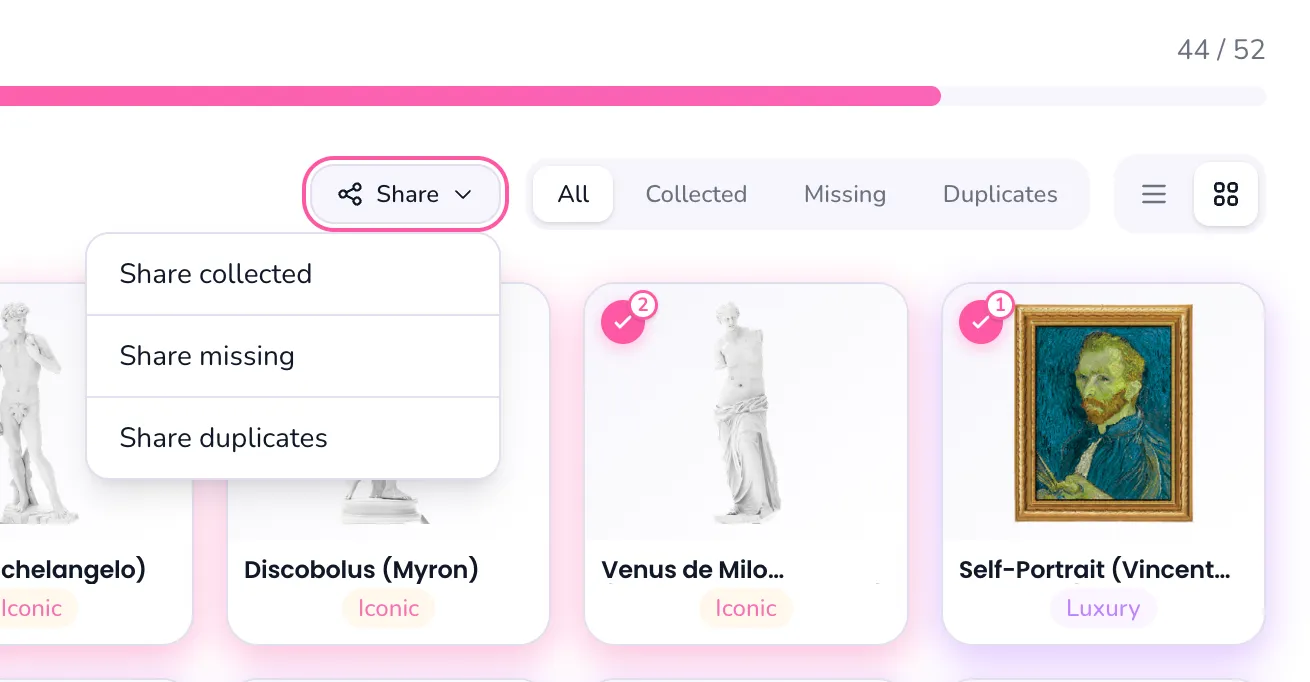
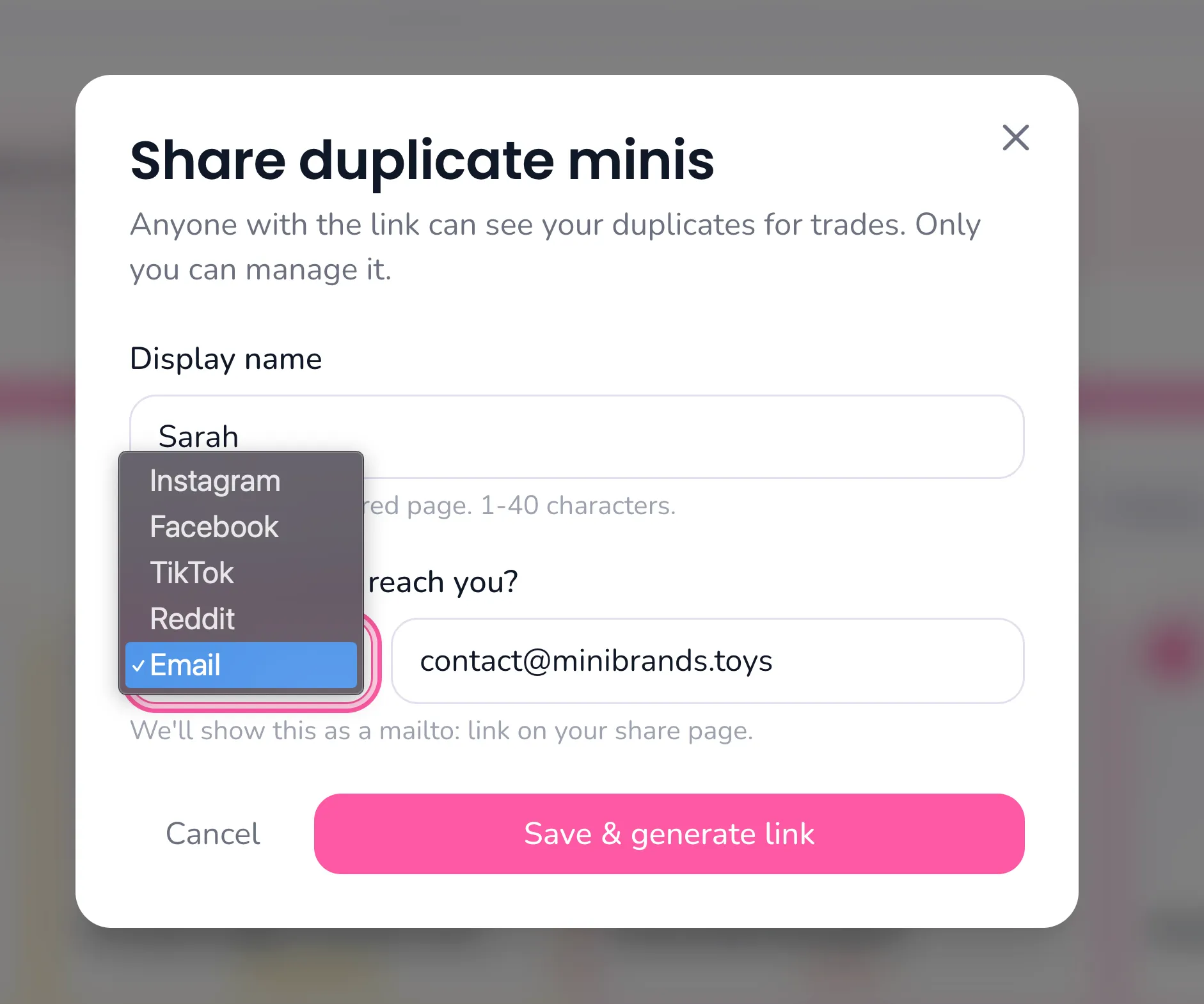
Mini Brands trading is where duplicates transform from "annoying" into "currency." This page helps you trade fairly, avoid drama, and keep minis in good condition.
Step 1: Sort duplicates like a pro
Create three groups:
- •Mint/Display: clean, no scuffs, labels intact
- •Tradeable: small wear is fine
- •Custom/Play: worn, paint rubbed, missing parts (great for kids or dioramas)
Step 2: Condition matters more than you think
When trading, always disclose:
- •Scuffs
- •Label peeling
- •Missing accessories
- •Scent/liquid items that have been opened (if applicable)
Some lines advertise interactive items like scented or liquid-filled minis; those can be more sensitive to handling and storage.
Step 3: How collectors estimate "value" (simple version)
Most collectors use a mix of:
- •Rarity tier (common vs rare vs ultra/super rare)
- •Demand (some minis are iconic regardless of rarity)
- •Condition (mint beats scratched)
- •Completeness (accessories/packaging can help)
Retail descriptions often call out chase categories like Frozen Moments and finishes like Metallic/Gold/Glow, which can influence demand.
Step 4: Safer trading checklist
- 1.Use clear photos (front + back + close-ups of flaws)
- 2.Agree on what "fair" means (1:1, bundles, or tier-based)
- 3.Use tracked shipping for higher-value trades
- 4.Pack minis so they don't rattle (tissue + small box)
Step 5: Make trading fun (and not a cage match)
Try formats like:
- •Bundle trades: "3 commons for 1 rare" (or whatever the community norm is)
- •Theme swaps: food-for-food, toys-for-toys
- •Beginner boost: experienced collectors help new folks complete commons
FAQ
Is it better to trade or buy more capsules?Trading is usually more efficient once you're seeing many duplicates.
Do chase minis always trade higher?Often, but demand and condition still win. "Cute and iconic" can beat "technically rare."